

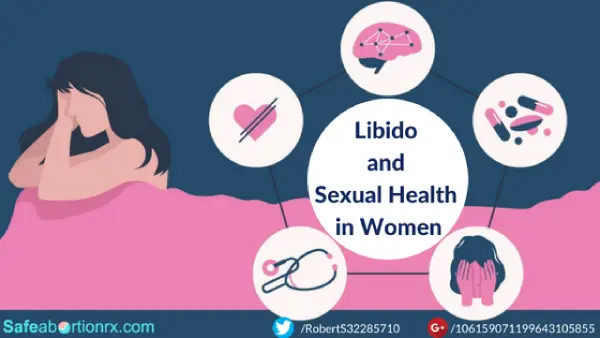
Sexual health and intimacy are essential aspects of overall well-being, yet they remain among the most misunderstood and under-discussed topics—especially when it comes to women. Cultural taboos, limited education, and a lack of open conversation often prevent women from fully understanding their bodies, desires, and reproductive health. As a result, many women struggle to identify what is normal, what needs medical attention, and what choices are available to them throughout different stages of life.
Women’s sexual health is complex and dynamic. It is influenced by a combination of hormones, physical health, emotional well-being, lifestyle habits, and social factors. Libido, or sexual desire, can naturally fluctuate over time due to changes in the body, stress levels, relationships, and life events. Understanding these changes is the first step toward maintaining a healthy and fulfilling intimate life.
This blog aims to shed light on the key factors that influence libido and sexual health in women, helping individuals feel more informed, empowered, and confident in caring for their bodies.
Reproductive Health: A Delicate Hormonal Balance
Sexual and reproductive health refers to a state of physical, emotional, and mental well-being related to sexuality. It is not merely the absence of disease or dysfunction, but the ability to experience intimacy safely, comfortably, and pleasurably.
Hormones play a major role in shaping sexual desire and reproductive function. From puberty to menopause, a woman’s body undergoes continuous hormonal changes that influence libido, fertility, mood, and energy levels.
Estrogen
Estrogen is the primary female sex hormone responsible for regulating the menstrual cycle and maintaining vaginal health. Healthy estrogen levels help support natural lubrication, elasticity of vaginal tissues, and sexual comfort. During phases such as menstruation, postpartum recovery, breastfeeding, or menopause, estrogen levels may drop, often leading to reduced libido, vaginal dryness, or discomfort during intercourse.
Testosterone
Although commonly associated with men, testosterone is equally important in women. It plays a crucial role in sexual desire, arousal, and overall vitality. Low testosterone levels may contribute to decreased libido, fatigue, and reduced sexual satisfaction.
Progesterone
Progesterone prepares the uterus for a potential pregnancy by thickening the uterine lining after ovulation. While essential for reproductive health, fluctuating progesterone levels can sometimes affect mood, cause bloating, or influence sexual desire during different phases of the menstrual cycle.
Beyond hormones, psychological factors such as stress, anxiety, self-image, relationship satisfaction, and past experiences significantly influence a woman’s sexual health. Emotional well-being and mental health are just as important as physical factors in maintaining a healthy libido.
What Happens During Sexual Intimacy?
During sexual arousal and orgasm, the body releases several beneficial chemicals that support both physical and emotional health. One of the most important is oxytocin, often referred to as the “bonding hormone.” Oxytocin promotes feelings of closeness, reduces stress, and enhances emotional connection between partners.
Another group of chemicals released during orgasm are endorphins, which act as natural pain relievers and mood boosters. These chemicals help reduce anxiety, improve sleep, and promote a general sense of well-being. This is why regular, healthy sexual activity is often associated with improved mental health and emotional balance.
However, intimacy can sometimes lead to unintended situations. When contraception is not used or fails, unplanned pregnancy may occur. In such cases, women should have access to accurate information and safe reproductive healthcare options. Early-stage pregnancy termination using medically approved abortion pills—when prescribed by a healthcare provider—offers a private and effective option. Today, telehealth services and online pharmacies have made reproductive healthcare more accessible, while ensuring confidentiality and medical guidance.
How to Maintain Sexual and Reproductive Health
Maintaining sexual health requires consistent care, awareness, and informed decision-making. Here are key practices that support long-term reproductive and sexual well-being:
Use Contraception Consistently
If you are sexually active and not planning a pregnancy, using contraception is essential. Options include birth control pills, intrauterine devices (IUDs), implants, and condoms. Condoms also offer protection against sexually transmitted infections (STIs), making them an important part of safe sex practices.
Practice Good Intimate Hygiene
The vagina has a natural self-cleaning mechanism, and harsh soaps or douches are not necessary. Cleaning the external genital area gently with water and keeping it dry is usually sufficient. During menstruation, sanitary pads or tampons should be changed regularly to prevent bacterial growth and infections.
Prioritize Nutrition and Physical Activity
A balanced diet rich in vitamins, minerals, and healthy fats supports hormonal balance and energy levels. Excessive consumption of processed foods, sugary snacks, and unhealthy fats may contribute to fatigue, hormonal imbalance, and reduced libido. Regular physical activity improves blood circulation, boosts mood, and enhances overall sexual health.
Pay Attention to Changes
Unusual symptoms such as persistent pain, abnormal discharge, irregular bleeding, or sudden changes in libido should not be ignored. Early medical consultation can prevent minor concerns from developing into serious health issues.
Educate Yourself and Seek Support
Understanding your body empowers you to make better health decisions. Open communication with healthcare providers and partners helps reduce anxiety and builds confidence. Sexual health is not a one-size-fits-all experience, and seeking professional advice is a sign of self-care—not weakness.
Final Thoughts
Libido and sexual health are integral parts of a woman’s overall wellness. While changes in desire are normal throughout life, persistent concerns deserve attention and care. By understanding hormonal influences, maintaining healthy habits, practicing safe sex, and accessing reliable healthcare, women can take control of their reproductive health with confidence.
Open conversations, accurate education, and accessible medical support play a crucial role in breaking stigma and empowering women to make informed choices. When women are equipped with knowledge and resources, sexual health becomes not a source of confusion or shame—but an essential aspect of living a healthy, fulfilled life.